


The Mighty Chickpea: A Nutritional Powerhouse
January 30, 2025 | by Cheryl Gass
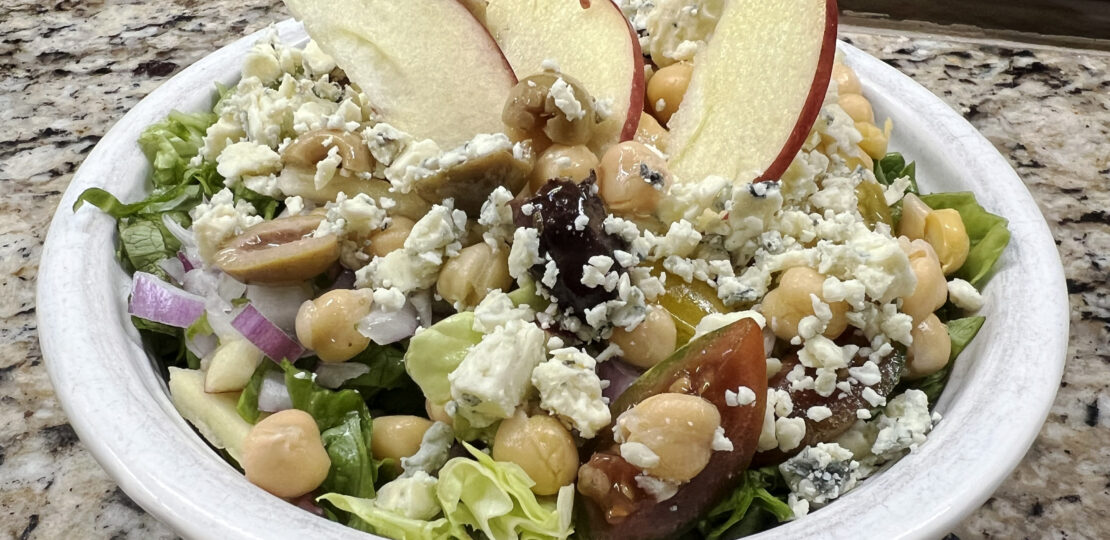
The chickpea, also known as the garbanzo bean in Spanish, gets its name from the Latin word cicer. This nutrient-dense legume belongs to the legume family and has been cultivated for thousands of years, first appearing in Turkey around 3500 BCE and in France as early as 6790 BCE. Today, India is the world’s largest producer of chickpeas, though they are grown in over 50 countries worldwide.
Nutritional Benefits of Chickpeas
Chickpeas are an excellent source of carbohydrates, protein, folate, fiber, iron, phosphorus, and healthy fats. They contain both polyunsaturated and monounsaturated fatty acids, including linoleic and oleic acids, which contribute to overall health.
Chickpeas and Blood Sugar Control
Chickpeas are particularly beneficial for diabetics due to their low glycemic index (GI) and glycemic load. They contain amylose, a resistant starch that digests slowly, helping to prevent blood sugar spikes. This makes them an excellent choice for individuals managing type 2 diabetes.
Gut Health Benefits
Chickpeas promote gut health due to their soluble fiber, specifically raffinose, a type of oligosaccharide. Beneficial gut bacteria, such as Bifidobacterium, ferment this fiber in the colon, producing butyrate, a short-chain fatty acid. Butyrate helps reduce inflammation, promotes regularity, and may even lower the risk of colorectal cancer by encouraging healthy cell turnover (apoptosis).
Heart Health Support
Chickpeas also play a role in heart health. They contain sitosterol, a plant sterol that is structurally similar to cholesterol. Sitosterol interferes with cholesterol absorption, potentially helping to lower blood cholesterol levels. Additionally, the fiber and unsaturated fats in chickpeas may contribute to improved blood lipid levels and overall cardiovascular wellness.
Weight Management Benefits
Thanks to their high fiber and protein content, chickpeas can support weight management. Fiber helps you feel fuller for longer by slowing digestion and adding bulk to meals. The combination of fiber and protein can aid in appetite control, making chickpeas a great addition to a balanced diet.
Easy Ways to Enjoy Chickpeas
Incorporating chickpeas into your diet is easy and delicious! Here are some simple ways to enjoy them:
- Top them on salads for an extra boost of protein and nutrition.
- Roast them with olive oil and garlic powder for a crispy, satisfying snack.
- Blend them into hummus with tahini, lemon, garlic, and olive oil for a homemade dip.
- Add them to soups and stews for extra texture and heartiness.
A Final Tip for Diabetics
If you follow the diabetic portion plate method, remember that legumes and starchy vegetables should make up only 25% of your plate, while non-starchy vegetables should cover 50% for a well-balanced meal.
Chickpeas are a nutritional powerhouse that can support blood sugar control, gut health, heart health, and weight management. Whether roasted, blended, or tossed into meals, this humble legume is a fantastic addition to a healthy diet.
Reference: https://nutritionsource.hsph.harvard.edu/food-features/chickpeas-garbanzo-beans/
RELATED POSTS
View all



A Place at the Table: Honoring My Grandmother Through Holiday Tradition
November 27, 2025 | by Cheryl Gass
Taco Bowl Tuesday: My Go-To Low-Fat Turkey Taco Meat Recipe
July 1, 2025 | by Cheryl Gass